
Standard electric water heaters do things the hard way: current runs through a resistance element, and every bit of warmth in the tank is paid for at the meter. A heat pump water heater, often called a hybrid, works differently. A compressor and coil mounted on top collect heat already present in the room air and transfer it into the water, the same principle your refrigerator uses to move heat out of the food compartment. The result is a Uniform Energy Factor that commonly lands at 3 or above, several times better than the efficiency of a resistance-only tank. For West Valley City, UT households that already heat water with electricity, that difference shows up on every monthly bill.
There is a catch: a hybrid needs air to work with. Most manufacturers call for roughly 700 cubic feet of surrounding space, about the volume of a 10 by 10 room with a typical ceiling, or ducting or louvered openings where the room is smaller. Because it pulls heat out of the air, it leaves that space a few degrees cooler and noticeably drier, which works nicely in a warm garage or damp basement and less welcome in a closet next to a bedroom. It also produces condensate that needs a reliable path to a floor drain or a condensate pump, and the compressor and fan make a steady hum at roughly the level of a quiet window air conditioner. Most models need a dedicated 240-volt circuit, though some newer 120-volt units can plug into an ordinary outlet. Each of these is simple on its own, yet any one of them done wrong erodes the savings.
The savings get won or lost in the settings. A hybrid can run in heat pump only, hybrid, electric, and vacation modes, and the best choice depends on how many people shower back to back and how cold the space gets. Heat pump recovery is slower than an element's, so going one tank size larger often lets the compressor carry the whole load without calling on backup heat. Our technicians install the unit with a drain pan, a properly pitched condensate line, a dedicated circuit, and code items such as an expansion tank or seismic strapping where they apply, then choose the mode that fits your routine. Incentives such as utility rebates and federal tax credits are available on many qualifying units, and while we cannot guarantee eligibility, we will tell you which programs are worth checking. Call (801) 998-0112 to talk through a heat pump water heater for your West Valley City home.
Most of our service calls are for Water Heater Installation in West Valley City. That's the place to start for most homes.
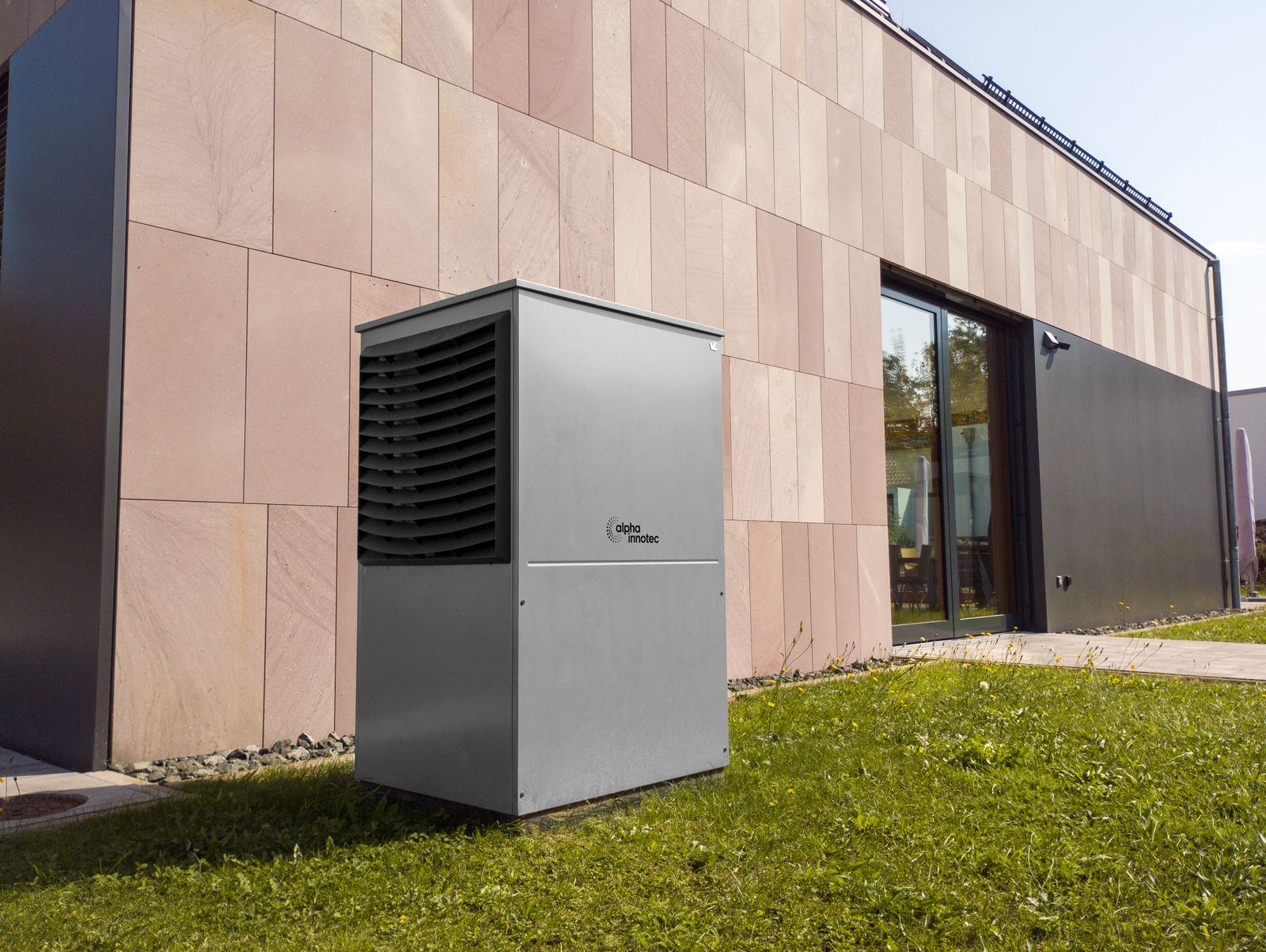
When to Call for Heat Pump Water Heaters
Water heaters usually give plenty of warning before they fail, as long as you know what to look and listen for. Here are the most common indicators that it's time to call a professional:
- An all-electric home, or one heading that direction
- Power bills where water heating is a large and steady line item
- An aging electric water heater you want to replace before it fails
- A plan to take advantage of efficiency incentives where they apply
- A musty lower level where cooler, drier air would be welcome
- Existing electric water heater wiring that may serve the new unit
- A garage or attic-adjacent room that stays warm most of the year
- A garage, basement, or utility room with plenty of open air around the tank
Don't Wait for a Total Failure
A worn-out anode rod, a sediment-choked tank, or a weak thermocouple rarely fixes itself, and the repair usually costs more the longer it waits. Call West Valley City Water Heater at (801) 998-0112 at the first sign of trouble.
No Hot Water? We Can Help.
Our experienced technicians are standing by to help.
Call (801) 998-0112 TodayHeat Pump Water Heaters FAQ
Why This Job Calls for a Pro
A hybrid looks like an ordinary tank with a lid on it, but it combines three trades in one appliance: plumbing, electrical, and a sealed refrigerant system. The water side needs proper connections, a relief valve discharged to a safe location, and an expansion tank where the plumbing is closed. The electrical side needs a circuit and breaker sized to the nameplate, not the old tank's wiring by assumption. Then there is the part DIY guides skip: whether the room can actually feed the compressor. A unit squeezed into a small closet without ducting spends its life on backup heat, which means paying hybrid prices for standard electric performance.
Then there is the physical work. A filled 65 or 80 gallon tank is extremely heavy, the unit is taller than most standard heaters, and condensate needs a route that will not overflow onto a finished floor. Switching from gas adds capping the gas line, removing or sealing the old vent, and running new power. Refrigerant repairs on the sealed system call for specific training and recovery equipment. Our experienced technicians plan all of it from the first visit, set up the modes before they leave, and give you the product details you need for any rebate or tax credit paperwork, without promising what a program will pay.
Step by Step: How a Visit Works
Our workflow is simple and thorough, so nothing gets missed between the fuel supply and the relief line. Here's a look at each step our team takes:
Room Assessment
Before anything else, we look at where the unit will live: air volume, winter temperatures, a drain path for condensate, noise near bedrooms, and panel capacity.
Choosing the Unit
We match the tank to how your household actually uses hot water, keeping in mind that compressor recovery is slower than an element's.
Install Day
We remove the old unit, set the new one level in a pan, connect the plumbing and circuit, route the condensate, and add code items like an expansion tank where required.
Settings and Testing
After a test run, we set the operating mode and temperature and show you how to clean the air filter and use vacation mode.
Not Sure What You Need?
Call West Valley City Water Heater to talk through your situation with an experienced technician.
Call (801) 998-0112 NowTips to Keep Your Water Heater Healthy
Most of the failures we see could have been delayed for years with basic upkeep. Here are our recommendations:
- Use vacation mode when you travel instead of leaving the tank at full temperature
- Look at the condensate line now and then to make sure it is draining freely
- Keep chemicals, paint, and lint sources away from the intake air
- Keep up with a yearly flush, since hybrids collect sediment like any tank
- Avoid crowding the unit with shelves or boxes that choke off airflow
- Check the air filter regularly and wash it whenever dust builds up
- Replace the anode rod when it is mostly consumed to extend the tank's life
Doing It Yourself vs. Hiring a Technician
The line between a safe DIY check and a risky repair is usually the moment you need to open a gas fitting, a vent connection, or an electrical cover. Here's how the two approaches stack up:
| Consideration | DIY Attempt | Professional Service |
|---|---|---|
| Placement | Space never measured | Room sized and assessed for airflow |
| Wiring | Breaker size guessed | Circuit matched to the nameplate |
| Condensate | Line left to drip on the floor | Routed to a drain or pump and tested |
| Sizing | Chosen from the shelf price | Capacity matched to household use |
| Operating Mode | Modes never explained | Controls explained before we leave |
| Safety Details | Drain pan left out | Code items addressed where required |
Get Heat Pump Water Heaters Help Today
Get your hot water back before a small fault turns into a flooded floor. West Valley City Water Heater is ready to respond fast.
Tap to Call (801) 998-0112Heat Pump Water Heaters Near West Valley City
We bring heat pump water heaters to homes and businesses in town and across the nearby communities. Pick your area to see local details.